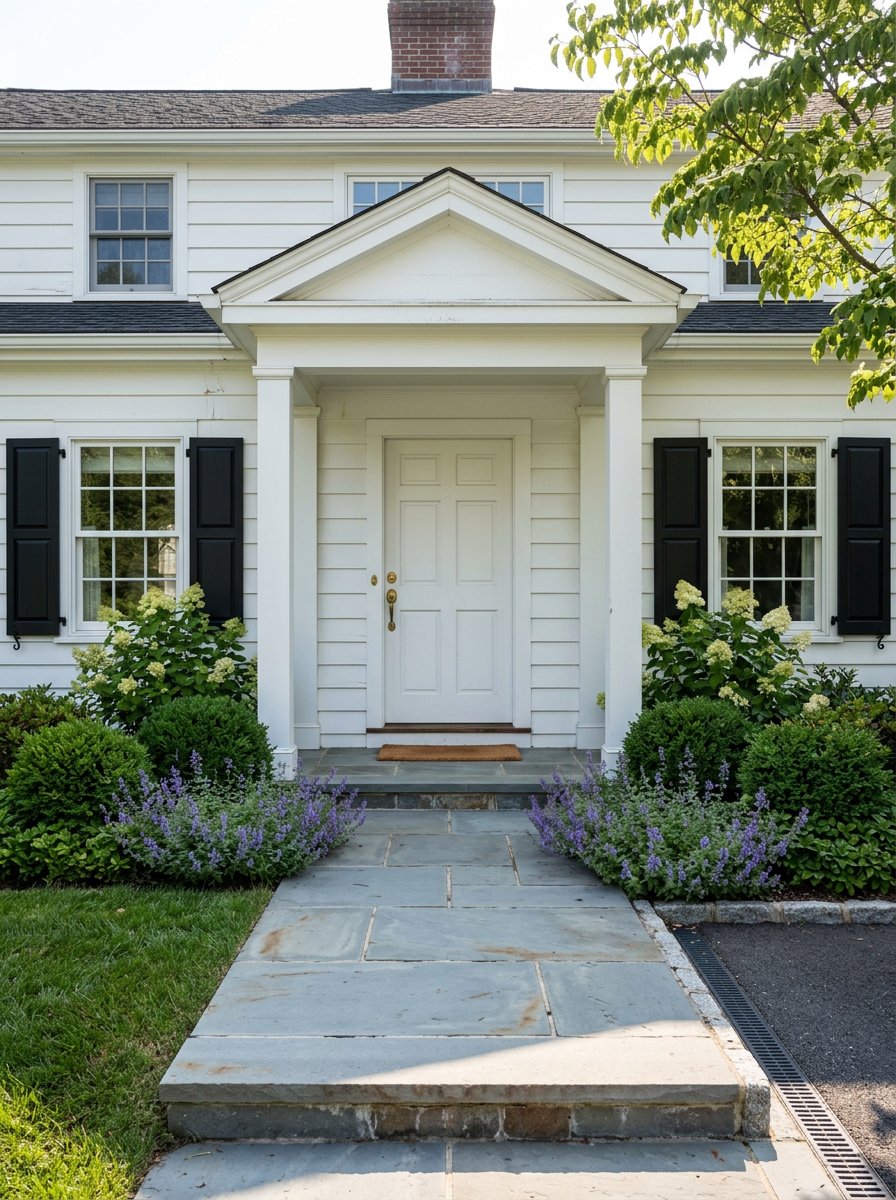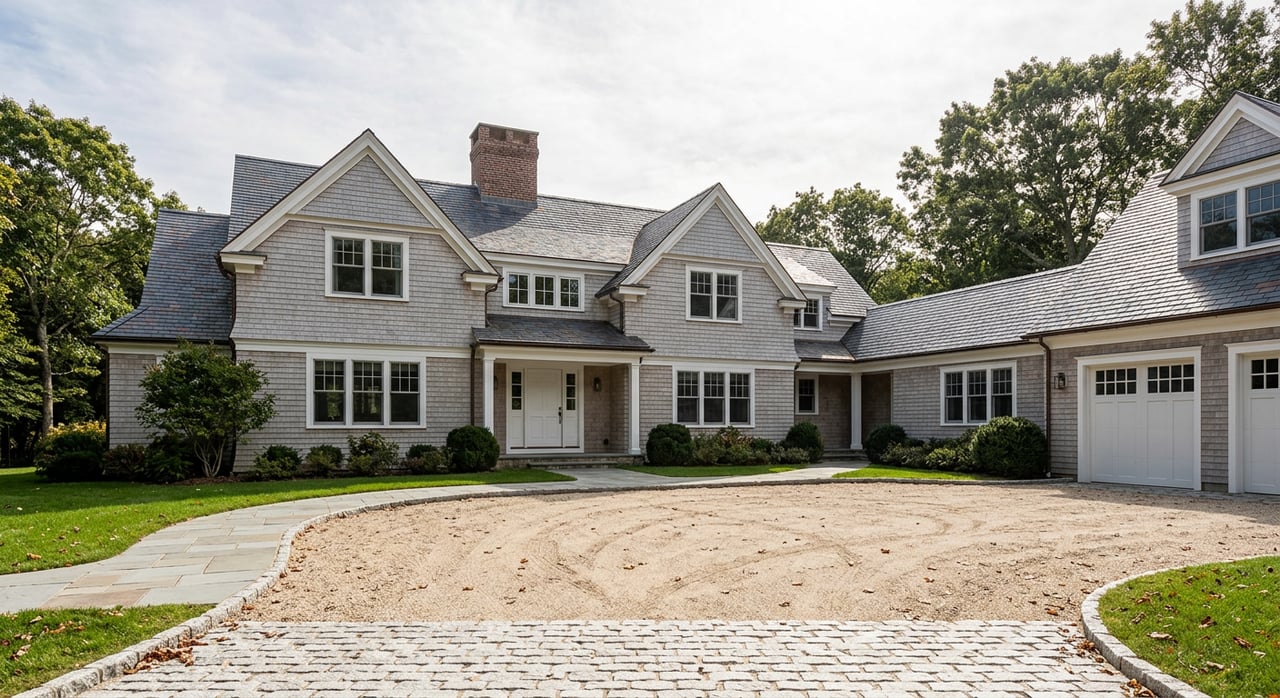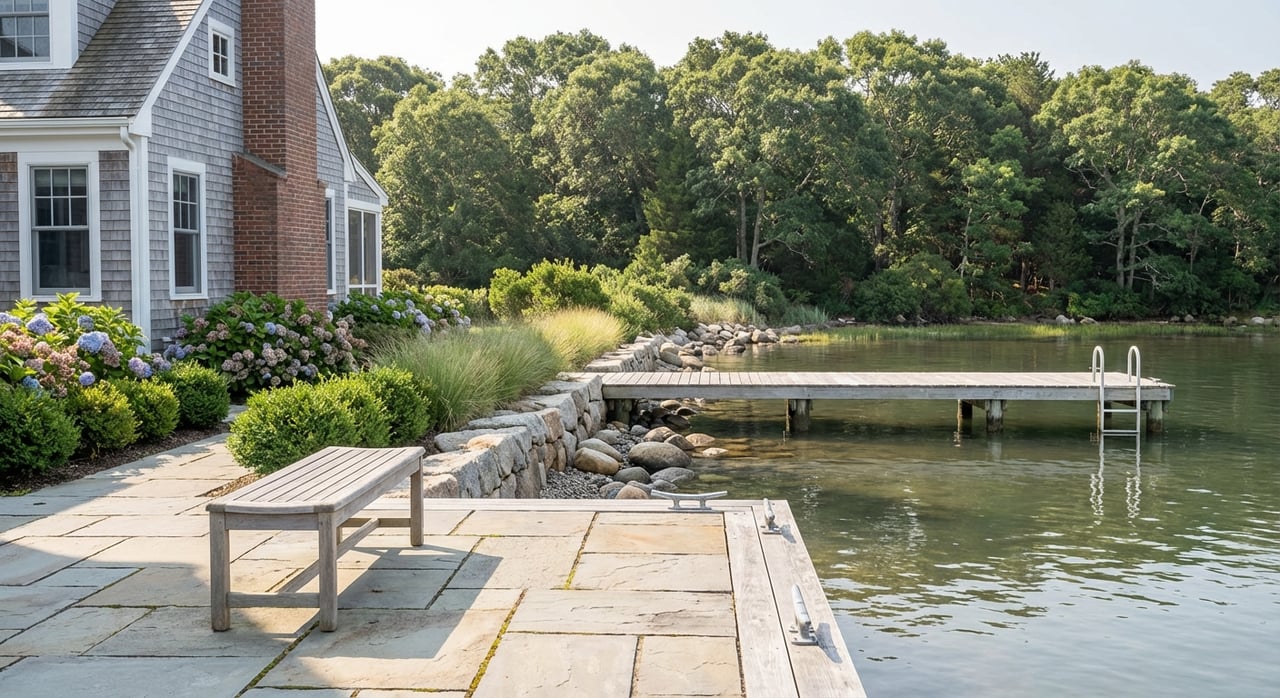
Ever picture yourself sipping coffee while boats glide across Northport Harbor? If you’re drawn to the water, you probably also want clarity about docks, flood maps, permits and how daily life actually feels by the shore. This guide breaks down the property types you’ll see, the boating and beach rhythm, the rules that matter, and what changes with the seasons. Let’s dive in.
Northport Harbor at a glance
Northport is an incorporated village in the Town of Huntington on Long Island’s North Shore, where the village center meets Northport Harbor and Northport Bay. The village manages public docks, beaches and waterfront parks, including the dock at the west end of Main Street and Steers Beach with resident pass systems and small-craft racks. You can review village amenities and current rules on the Village of Northport’s parks and beaches page.
Northport Harbor is a narrow, dogleg-shaped embayment off Northport Bay with peninsulas and some steep shoreline. Much of the edge is stabilized with bulkheads, and water depth and sediment patterns vary, which matters for docking and navigation. For a technical view of shoreline form and local slopes, the USGS outlines Northport’s coastal features and harbor morphology.
Tides are a practical factor here. At NOAA station 8515586, the tidal datums show a meaningful range between low and high water. These values guide dock height, ramp length and float or piling design, especially if you plan to keep a boat at your property.
What counts as waterfront in Northport
Direct riparian waterfront
These are classic waterfront parcels where the upland meets the mean high tide line. Many lots have a bulkhead or natural shore and face direct exposure to tides and local wave action. If there is a dock, you’ll want to confirm permits and maintenance history.
Bulkheaded vs natural shoreline
Bulkheaded yards feel tidy and protected, but ownership often means you are responsible for repair or replacement. Structural shoreline work typically requires permits, and wetlands areas bring added review. Natural marsh edges can be more limited for new structures.
Water-access with beach rights
Not every coastal lifestyle requires a private dock. Some homes come with deeded or association beach access, shared dinghy racks or moorings. The Village runs municipal beaches, kayak and dinghy racks by permit, and seasonal programs, so you can swim or launch without private dock costs.
Water-view and harbor-view homes
Upland homes on bluffs or higher ground can deliver sweeping views and lower exposure to splash or nuisance flooding. Views do not guarantee riparian rights or dock potential, so verify whether any shared access conveys. Local topography is varied, which is why lot-by-lot evaluation matters.
Marsh, creek and inlet frontage
Creek or marsh-front lots feel tranquil and biologically rich, often with shallower water at low tide. These settings are usually subject to stricter wetland protections, and deep-draft boating may be limited. If you imagine a large powerboat, confirm depth and rules early.
Lot features that shape lifestyle and cost
Elevation and slope
Higher, sloped lots tend to be more protected from routine tidal splash and can preserve views long term. Lower, flatter parcels make boat access easier but may face higher flood risk and more exposure during storm events. Local slopes and soils vary, so consider erosion risk and site layout.
Shoreline protection and upkeep
A bulkhead, riprap or vegetated edge each comes with different maintenance needs and regulatory implications. Repairs or replacements typically involve permits, especially near tidal wetlands. Ask for recent condition reports and any engineering assessments.
Dock vs mooring vs off-site storage
On-site docks offer convenience if they are legal and well maintained. Many Northport boaters use moorings or secure slips through local clubs and marinas; the Northport Yacht Club maintains guest moorings and organizes social boating. For non-waterfront homes, seasonal slips and municipal facilities can round out the lifestyle.
Utilities and wastewater
Parts of the Northport Harbor watershed are sewered, while others rely on septic or cesspools. Local water-quality initiatives are active, including plant upgrades and septic improvement outreach, coordinated through the Northport Harbor Water Quality Protection Committee. Ask whether a property is on sewer or septic and whether any upgrades or tie-ins are planned in the area.
Boating, beaches and the downtown rhythm
The working heart of summer is where Main Street meets the harbor. The Village operates the public dock with seasonal dockmaster hours, electricity and water on the dock, plus a pump-out in summer. Municipal beaches, resident passes, and kayak or dinghy racks make it easy to get on the water close to town.
Local boating services keep things moving. Seymour’s Boatyard provides winter storage, repairs and seasonal contracts, so plan ahead for haul-outs and launch dates. Social life on the water often runs through clubs and community events, and summer weekends bring a lively, walkable scene by the harbor.
Permits, flood and shoreline risk
Work in or near tidal waters is regulated. The NYSDEC Tidal Wetlands Permit Program explains what triggers a permit and how minor versus major projects are reviewed. Many shoreline structures also fall under the U.S. Army Corps of Engineers’ authority for navigable waters and dredge or fill activities, so expect joint reviews and timelines.
Flood risk and insurance are core to due diligence. Use FEMA’s Flood Map Service Center to check the exact parcel for flood zone and Base Flood Elevation, then get quotes for NFIP and private coverage. Tidal datums and sea-level guidance also inform local planning, which is one reason to keep records of any existing permits and surveys.
Neighboring properties and community standards matter too. Changing a bulkhead or adding a dock can affect wave reflection and nearby shorelines. Before you plan a project, review recent permit history for the lot and talk through options with qualified professionals.
Seasons on the water
Spring: prep and launch
Boatyards book early for spring launch and commissioning. Use this window to inspect docks, floats and pilings, and schedule repairs before peak season. Expect higher demand for local contractors.
Summer: peak lifestyle
This is the Northport you picture. Beaches are in full swing, public docks and marinas are busiest, and weekend events draw visitors to the waterfront. If you need a slip or mooring, plan ahead and follow posted policies.
Fall: cruising and maintenance
Crowds thin, weather settles, and water clarity can improve. Many owners schedule end-of-season maintenance before haul-out. It is a good time to reassess any shoreline repairs you want ready for spring.
Winter: storms and upkeep
Northeasters test bulkheads and moorings, and some owners remove or secure floats for ice. Services are reduced, so plan for off-season needs early. Winter is also a practical window to pursue permits for upcoming shoreline work.
Practical buyer checklist
- Is the property truly riparian, or does it offer beach rights or association access only?
- Does a dock exist, and are permits and approvals on file? When was it last repaired or replaced?
- Who owns and maintains the bulkhead, and is there a recent condition or engineering report?
- Is the home on village sewer or on-site septic? If septic, is it compliant and eligible for improvement programs?
- What FEMA flood zone and Base Flood Elevation apply to the exact parcel, and how does that affect design and insurance?
- Are there current water-quality advisories or beach closures you should know about?
- If you boat, where will you keep it, and are there waitlists for slips or moorings? What pump-out and fuel options are most convenient?
Ready to explore Northport waterfront?
If you want the calm of harbor views and the ease of Main Street moments, the right plan makes all the difference. I can help you confirm riparian rights, review flood maps and permits, and connect you with local marinas and service providers so you buy with confidence. Start your search or request a tailored plan with Cindy Awan.
FAQs
What does “waterfront” mean in Northport real estate?
- It usually refers to parcels where the upland meets the tidal foreshore, often with a bulkhead; verify riparian rights and any existing dock permits for the exact address.
Do I need permits to build or repair a dock in Northport?
- Yes, most work near tidal waters requires state and often federal permits; plan for timelines and collect existing approvals during due diligence.
How do I check my Northport home’s flood zone?
- Look up the parcel on FEMA’s map service, note the flood zone and Base Flood Elevation, then discuss design and insurance with qualified pros.
How do tides affect dock design on Northport Harbor?
- Tidal range influences dock height, ramp length and float or piling choices; local datums help engineers size and position structures correctly.
What are my boating options if I do not own a dock?
- Many residents use moorings or seasonal slips through clubs or marinas, and the village supports public docking, pump-out and small-craft rack programs.
What should I know about septic vs sewer near the harbor?
- Parts of the watershed are sewered, while others rely on septic; upgrades and local water-quality initiatives are active, so ask about current service and planned projects.