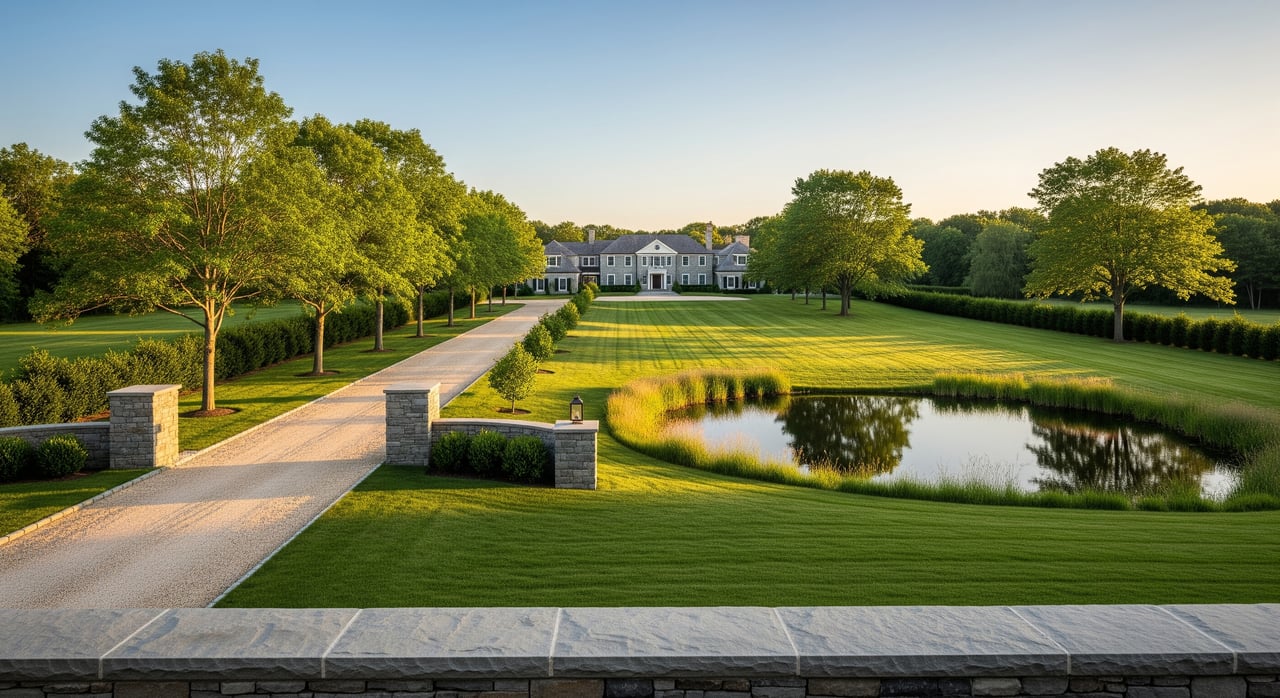
Want room to breathe on the North Shore but unsure what you can build or maintain? If you are eyeing Old Brookville, Brookville or Upper Brookville, you are looking at true estate country with privacy, larger parcels and a different set of rules. You will learn how acreage and zoning work here, what accessory structures are common, the lifestyle tradeoffs to expect, and a clear checklist to vet any property. Let’s dive in.
Acreage and zoning at a glance
Separate villages, distinct codes
Old Brookville, Brookville and Upper Brookville are separate incorporated villages in the Town of Oyster Bay. Each sets its own zoning map and code, so rules can change from one street to the next. The district name on the zoning map determines minimum lot size, frontage, setbacks and permitted uses. Always verify the exact zoning designation and the most recent code text for the specific parcel.
Typical lot sizes
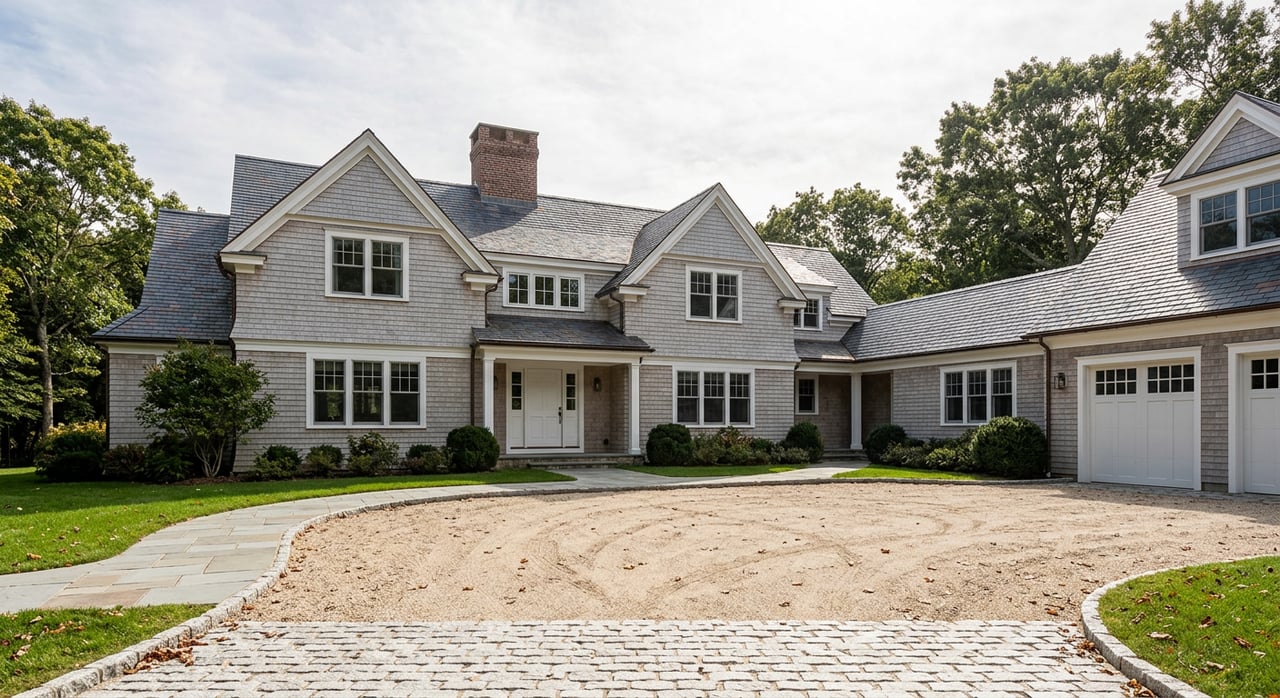
This area is known for estate-scale living. You will see parcels from fractions of an acre to 5 or more acres, with many neighborhoods featuring 1 to 5-plus acre lots. Several districts require minimum lot sizes of 1 or 2 acres, and some require even more. Smaller lots exist, especially historic parcels that predate current rules.
Non-conforming lots and structures
Some properties were created before today’s zoning. These are often legally non-conforming and can have limits on expansion, rebuilding or subdivision. Confirm non-conforming status early because it affects what you can change after purchase.
Setbacks, coverage and subdivision
Villages regulate how far structures must sit from property lines, how much of the lot can be covered by buildings and pavement, and how new lots can be created. Planning board review and public hearings are common for subdivisions. A large parcel is not always subdividable unless it meets current standards for area, frontage and shape.
Accessory structures: what to know
Common estate features
Many Brookville-area estates include one or more of the following:
- Detached garages or carriage houses
- Guesthouses or accessory apartments
- Barns, stables, riding rings and paddocks
- Pools, pool houses and expansive terraces
- Tennis or sport courts and long driveways
- Greenhouses, sheds, generator houses and solar arrays
- Fencing, gates and formal entries
Permits and approvals
Most projects begin with a building permit application to the village. Some proposals, like a new guesthouse, equestrian facility or unusual structure, can require planning board or architectural review. If a plan does not meet a dimensional rule, you may need a variance from the Zoning Board of Appeals. County or state permits can also apply to wetlands, driveways on county roads, or sewer connections.
Limits to check before you plan
- Permitted vs special-permit uses: Some accessory uses are allowed by right, while others need a special permit or variance.
- Size and footprint: Codes may cap square footage of an accessory building or limit combined roofed area.
- Location and setbacks: Placement is often restricted near lot lines, wetlands or easements.
- Height: Barns and stables can have distinct height limits; confirm any vertical caps.
- Number of units: Rules can control whether a guesthouse is a separate dwelling, whether it can be rented, or if it counts as an accessory apartment.
- Impervious limits: Paved areas, courts and patios may be limited by lot coverage caps.
- Animal keeping: Villages often regulate the number of horses or large animals per acre and require stable management plans.
- Pool and fence rules: Pools typically require permits and safety fencing to current code.
- Utilities and wastewater: A guesthouse or apartment can trigger septic upgrades or sewer requirements. Confirm service capacity and approvals.
Lifestyle tradeoffs in the Brookvilles
Privacy and maintenance
Large parcels deliver privacy and a park-like feel. They also bring higher upkeep: mowing, tree care, snow removal on long driveways, pool service, gate and fence maintenance, and drainage management. Plan for ongoing landscape and property management costs.
Water, sewer and systems
Many homes connect to municipal water and, where available, county sewer systems. Some properties rely on private wells and septic systems, especially on older or outlying parcels. If you plan a guesthouse or larger accessory use, you may need wastewater upgrades or engineered solutions.
Environmental and site limits
Wetlands, floodplains, steep slopes and specimen trees can limit where you can build. Conservation easements or deed restrictions can also affect additions, tree removal or subdivision potential. If you add impervious areas like courts or long drives, stormwater controls may be required.
Equestrian considerations
Stables and paddocks are common on larger parcels, especially in Upper Brookville and Old Brookville. Verify allowances for the number of animals per acreage, stable setbacks and manure management requirements. Consider access to veterinarians, farriers and riding facilities if equestrian use is a priority.
Commute, services and response times
With estate-scale lots, you trade walkability for space. Check drive times to major routes and Long Island Rail Road stations, and confirm proximity to daily services and medical care. Emergency response can vary in low-density areas, so review local fire protection, hydrant locations and hospital access.
Schools, taxes and insurance
Parcels can fall within different school districts, and district assignment influences tax bills. Nassau County property taxes are typically high relative to many regions, so review the current tax bill and all taxing districts. Pools, outbuildings, equestrian facilities and larger homes can increase insurance needs; get quotes and consider umbrella coverage.
Your due diligence checklist
A. Property and legal documents
- Current deed and any prior deeds noting easements or restrictions
- Full legal description and most recent survey showing lot size and improvement locations
- Title report and exceptions, including any conservation easements or covenants
- Most recent property tax bill, assessment history and taxing districts
- Existing site plans, as-builts, permit history and Certificates of Occupancy for all structures
- HOA or neighborhood covenants, if any
B. Zoning and land use
- Parcel’s zoning district and current code standards for area, setbacks, coverage and accessory uses
- Status of any legally non-conforming lots or structures
- Any prior variances or special permits granted for the property
- Subdivision history and whether further subdivision is possible under current rules
C. Physical and environmental inspections
- Full home inspection and a lot-level review of driveways, walls and drainage
- Updated tree survey and arborist evaluation for specimen or hazardous trees
- Wetlands screening and, if indicated, delineation by a qualified professional
- FEMA floodplain check and stormwater review
- Septic inspection and capacity documentation, or sewer connection status
- Water quality tests for any private well
- Environmental database screening if the property had non-residential uses
D. Use and improvement feasibility
- Permitting requirements and timelines for planned improvements like a guesthouse, barn or pool
- ADU or accessory apartment rules, occupancy limits and any parking or utility requirements
- Driveway and curb-cut permits if access involves village or county roads
- Fence, gate and visibility rules that affect entries and security features
E. Professionals to engage
- Real estate attorney with village land-use experience
- Licensed surveyor for boundary, topography and drainage mapping
- Civil or environmental engineer for septic, stormwater or wetlands issues
- Architect or designer to plan within setbacks and building envelope
- Arborist for tree protection and removal permits
- Title company to clear easements or restrictions
- Local tax consultant or appraiser for tax implications
F. Practical fit for your lifestyle
- Visit at different times to assess privacy, traffic and nearby uses, including equestrian activity
- Confirm service access for trash, plowing, landscaping and contractors
- Check proximity to commuting routes, rail stations, schools, medical services and shopping
- Obtain insurance quotes, including liability coverage for pools or horses
How to approach your search
Start with clarity on how you want to live. Make a short list of must-haves like acreage, guesthouse potential, or equestrian use. Then confirm the zoning district, any non-conforming status and environmental factors before you fall in love with a property.
Line up the right team early. A surveyor, engineer and attorney can save time by scoping setbacks, stormwater, septic and title items up front. If you need to sell before you buy, coordinated prep and presentation can help you capture top value so you can move quickly on the right Brookville property.
When you are ready to tour estates and evaluate improvement potential, connect with a local advisor who understands village codes, lifestyle tradeoffs and the details that affect long-term value. For calm, client-first guidance and private or on-market options across Long Island’s North Shore, reach out to Cindy Awan.
FAQs
What lot sizes are common in Old Brookville, Brookville and Upper Brookville?
- You will find parcels ranging from fractions of an acre to 5-plus acres, with many neighborhoods featuring 1 to 5-acre minimums depending on the zoning district.
How do local zoning rules affect adding a guesthouse in the Brookvilles?
- Rules vary by village and district, so confirm whether a guesthouse is permitted by right or requires a special permit, and check limits on size, location, height and occupancy.
Are horses allowed on properties in the Brookvilles?
- Equestrian uses are common on larger parcels, especially in Upper Brookville and Old Brookville, but the number of animals per acre, stable setbacks and management plans are regulated.
Do Brookville-area homes use public sewer or private septic systems?
- Many properties connect to municipal water and, where available, county sewer, but some rely on private wells and septic systems, so verify service type and capacity for each parcel.
What permits are needed for a pool or tennis court in the Brookvilles?
- Pools and courts typically require village permits and must meet safety, setback and coverage limits, and pools usually need compliant safety fencing to current codes.
Can a large Brookville parcel be subdivided into smaller lots?
- Only if it meets current minimum lot area, frontage and shape standards and secures planning approvals; many large parcels cannot be subdivided under today’s rules.
Which school districts serve the Brookvilles, and why does it matter?
- Properties can fall into different school districts, which affects tax bills and buyer considerations, so confirm the parcel’s taxing districts and review the current tax bill.