Are you seeing words like bulkhead, mooring, or deepwater in Northport listings and wondering what they really mean? You are not alone. Waterfront terms can look technical, yet they have real costs and access implications for your lifestyle. In this guide, you will get plain-English definitions, what to watch for, and the exact steps to verify a property before you fall in love. Let’s dive in.
Bulkheads: Your shoreline wall
A bulkhead is a vertical retaining wall that stabilizes the shore and helps resist wave action. Common materials include treated timber, concrete, steel, rock, or vinyl panels. The condition of this structure affects erosion risk, usable yard space, and future expenses.
What it means for you: a strong bulkhead protects the upland property. A failing one can lead to loss of land, safety concerns, and large replacement costs.
Buyer red flags to spot:
- Rotting wood, leaning sections, or visible cracks.
- Broken tiebacks, separated seams, or spalled concrete.
- Gaps where water can scour behind the wall, or erosion at the toe.
Permits and local rules: in the Town of Huntington, bulkhead work usually requires permits. If repairs happen seaward of the mean high water line or involve tidal wetlands, state and federal permits may also apply. Some work can be restricted during sensitive seasons.
Smart next steps:
- Hire a licensed marine contractor to inspect and provide a written estimate for repair or replacement.
- Ask the seller for permits and construction records.
- Confirm the mean high water line on a current survey and check for encroachments.
Mooring vs. docking: Access and upkeep
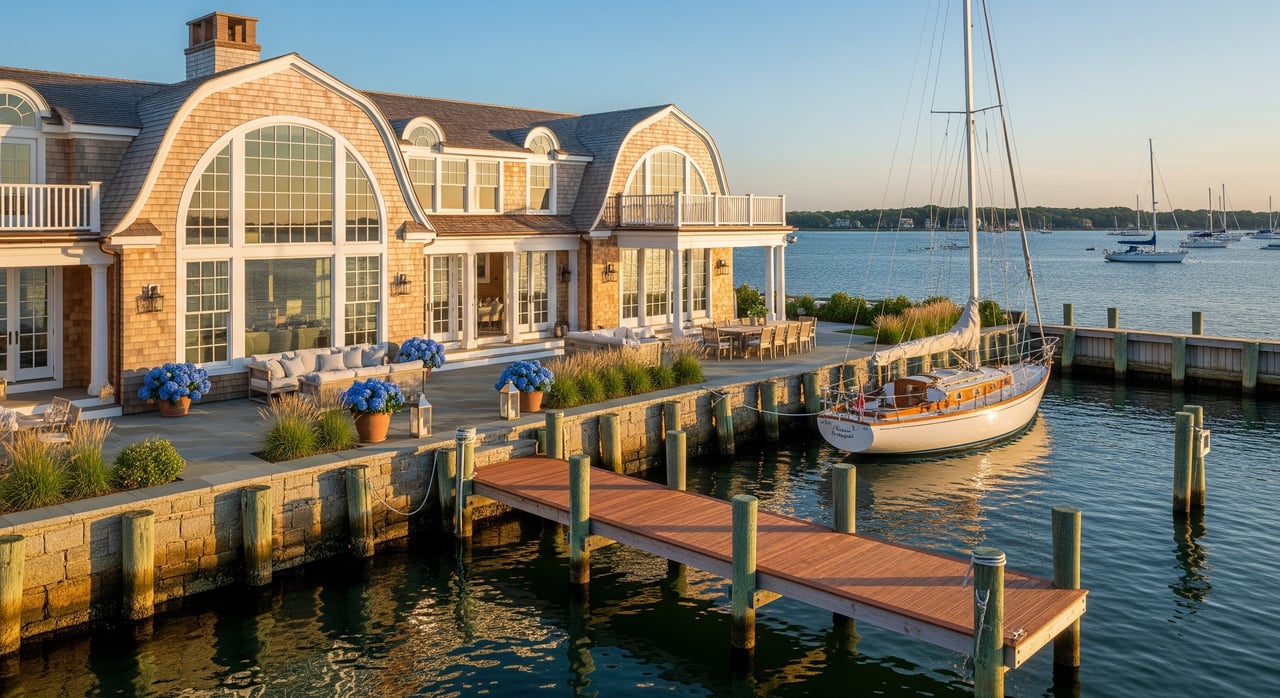
A mooring is a fixed anchor system with a buoy where your boat ties up in open water. A dock or pier is a fixed or floating structure from the shore that lets you walk to your boat.
What it means for you:
- Accessibility: docks give direct, dry access. Moorings require a dinghy or a launch ride.
- Size and draft: moorings are usually set in adequate depth to swing. Docks can sit in shallower areas if there is a usable channel.
- Cost and maintenance: docks involve construction and upkeep. Moorings have permit, inspection, and equipment fees.
- Seasonality: many docks are hauled for winter. Moorings are removed or inspected before the next season.
Regulatory realities in Northport/Huntington:
- The Harbormaster manages municipal mooring fields and permits. Expect fees and possible waitlists, often with residency rules.
- Private moorings generally need permits and must meet local gear and spacing standards.
- Riparian owners may have rights to install docks or moorings but still need permits from local, state, and sometimes federal agencies.
Buyer checklist:
- Confirm in writing if a mooring or slip conveys with the sale.
- Verify any permit, location, and the depth at mean low water.
- Speak with the Harbormaster or a marina about availability, waitlists, and seasonal requirements.
Tides: Depth changes that matter
Tides raise and lower water levels throughout the day. Charts often reference Mean Lower Low Water for depths and Mean High Water for shoreline lines. These changes affect when your boat can reach a dock or mooring and whether flats or wetlands are exposed at low tide.
What it means for you:
- Tidal range can limit when a deeper-draft boat can safely transit.
- Exposed foreshore at low tide can make direct access harder.
- Tidal flows shape shoaling and may lead to dredging needs.
Buyer checklist:
- Review local tide predictions and ask about seasonal extremes.
- If a listing claims deepwater, request recent soundings or a depth survey.
- Confirm navigation windows for your specific boat, especially if you have a deeper draft sailboat.
Deepwater access: Relative to your boat
Deepwater means there is enough depth, year-round, to accommodate a boat of a certain draft without frequent grounding. It is not one fixed number. It depends on your vessel, local channels, and the controlling depth at mean low water.
Typical draft ranges to consider:
- Small powerboats: about 2 to 4 feet.
- Larger powerboats and cruisers: about 3 to 6 or more feet.
- Sailboats: many shoal-draft models are about 4 to 5 feet, while performance and safety often improve with 6 to 8 or more feet.
Channel and dredging notes:
- Public channels may be maintained by government entities. Private channels and slips are often owner maintained.
- Dredging is permit heavy, expensive, and can take months to secure approvals.
Buyer checklist:
- Ask for recent bathymetric data or commission a depth survey tied to Mean Lower Low Water.
- Confirm who maintains the approach channel and when it was last dredged.
- Match your boat’s draft to the controlling depth with a prudent safety margin.
Winter bubblers: Protecting docks and hulls
Bubblers or de-icers move slightly warmer water upward or circulate it to reduce ice formation around docks, pilings, and boats. They help prevent ice damage and reduce winter strain on structures.
Practical considerations:
- Systems include electric pumps, diffusers, or compressed air lines.
- Plan for electricity needs, operating costs, and potential noise or visual impact.
- Some locations regulate operation timing to protect wildlife or limit disturbance.
Buyer checklist:
- Confirm if the system is included in the sale and who operates it.
- Verify shore power to the dock and ask for any permits or inspection records.
- Ask for typical winter electric costs and maintenance routines.
View corridors: What is and is not protected
A view corridor is a line of sight to the water. It is a visual amenity, not an automatic property right. You may find recorded view easements or deed covenants that protect views, but absent those, a view can change over time.
What it means for you:
- Even “unobstructed views” can shift as vegetation grows or as neighbors build permitted structures.
- Zoning height limits and setbacks can reduce, but not eliminate, the chance of obstruction.
What to check:
- Title records for any view easements or restrictions.
- Town permit activity on neighboring lots for planned projects.
- Seasonal photos of the view, plus a strategy for legal tree maintenance.
Northport buyer due diligence checklist
Use this quick list before you commit:
- Title and deed: confirm riparian rights, any view or access easements, and that any dock or mooring truly conveys.
- Survey: obtain a current survey showing the mean high water line, any structures seaward of it, and possible encroachments.
- Structural inspection: have a marine contractor inspect the bulkhead, pier, pilings, and dock electrical, and provide a written cost estimate.
- Depth: get recent soundings for the approach channel, slip area, or mooring, referenced to Mean Lower Low Water.
- Permits: collect copies of permits for shoreline structures and check Town of Huntington records.
- Harbormaster: verify mooring rules, waitlists, fees, and permit status.
- Flood and hazard: review FEMA flood maps for zone and insurance implications.
- Environmental: check for tidal wetlands, shellfish areas, and any state or federal permit triggers.
- Utilities and winterization: confirm shore power, any bubblers, and the cost to operate them.
- Neighborhood and future plans: review municipal records for nearby permits that could affect views or access.
Who to call before you buy
- Town of Huntington Building Department: shoreline structure permits and records.
- Harbormaster or Town Waterfront Office: mooring fields, rules, assignments, and seasonal operations.
- Suffolk County Health: shoreline septic guidance and shellfish or water quality advisories.
- New York State Department of Environmental Conservation: tidal wetlands and coastal permits.
- U.S. Army Corps of Engineers: work in navigable waters and dredging reviews.
- FEMA resources: flood zone identification and insurance considerations.
- Local pros: licensed marine contractors, surveyors familiar with MHW and MLLW, marinas, and environmental consultants.
Make your Northport search clear and confident
Waterfront living in Northport can be wonderful when you understand the terms that shape access, maintenance, and long-term value. With the right survey, inspections, and permit records, you can buy a home that fits your boating plans, protects your shoreline, and preserves the views you enjoy.
If you want a calm, hands-on plan for due diligence, staging, and negotiation, connect with Cindy Awan. You will get attentive guidance, data-backed pricing, and the resources to act with confidence.
FAQs
Deepwater access for a 30-foot sailboat in Northport
- “Deepwater” is relative, so confirm controlling depths at mean low water, compare with your boat’s draft, and verify any tide windows with recent soundings or local harbor guidance.
Whether a dock is included with a Northport home sale
- Do not assume; require the contract to specify inclusion, and confirm permits and title since some docks are shared or owned under separate agreements.
Bulkhead ownership and maintenance responsibility in Huntington
- It is usually the upland owner, but verify by deed and permits; unless a shared agreement exists, long-term maintenance is typically the owner’s responsibility.
Meaning of “mooring rights available” in Northport listings
- It could mean an existing permitted mooring, a spot in a private field, or only the ability to apply; confirm assignment, fees, permit status, and waitlist details with the Harbormaster.
Replacing a dock or bulkhead in Huntington
- Yes, permits are generally required from the Town and often state or federal agencies when work affects tidal wetlands or navigable waters.
What winter bubblers are and whether they need power
- Bubblers circulate or move warmer water to prevent ice around structures; they require power, have operating costs, and may be subject to local operating limits.
View protection for Northport waterfront homes
- Views are rarely guaranteed unless a recorded view easement exists; check title, local zoning limits, and neighboring permit activity to assess risk.